After two years of research, collaboration and innovation, the NEXUS project has officially come to an end.
Throughout its lifetime, NEXUS explored how artificial intelligence, simulation, digital twins, cybersecurity and advanced automation can contribute to safer, more efficient and more passenger-oriented metro systems. Across its activities and use cases in Genoa and Sofia, the project developed and tested approaches ranging from passenger-centred metro vehicle concepts and digital-twin-based decision support to simulation and assessment of advanced metro automation and the assessment of its wider value for metro systems.
The project’s results have also been brought together into three Key Exploitable Results: the AI Handbook for Metro Operators, the Decision Support and Simulation Platform for Metro Operations, and the Automation Architecture for Driverless Metro Systems. Together, they provide different pathways for taking NEXUS results beyond the project — from guidance and training, to validation and piloting, and towards longer-term industrial uptake.
But NEXUS was not only about developing technologies. A key lesson from the project is that innovation in metro systems needs to start from real operational needs. Its work with Metro Genoa and Metro Sofia therefore looked not only at what new technologies can do, but also at how they can fit existing infrastructure, operational requirements, governance and future investment pathways. Read more about the NEXUS legacy and the path towards future deployment.
Bringing the NEXUS community together
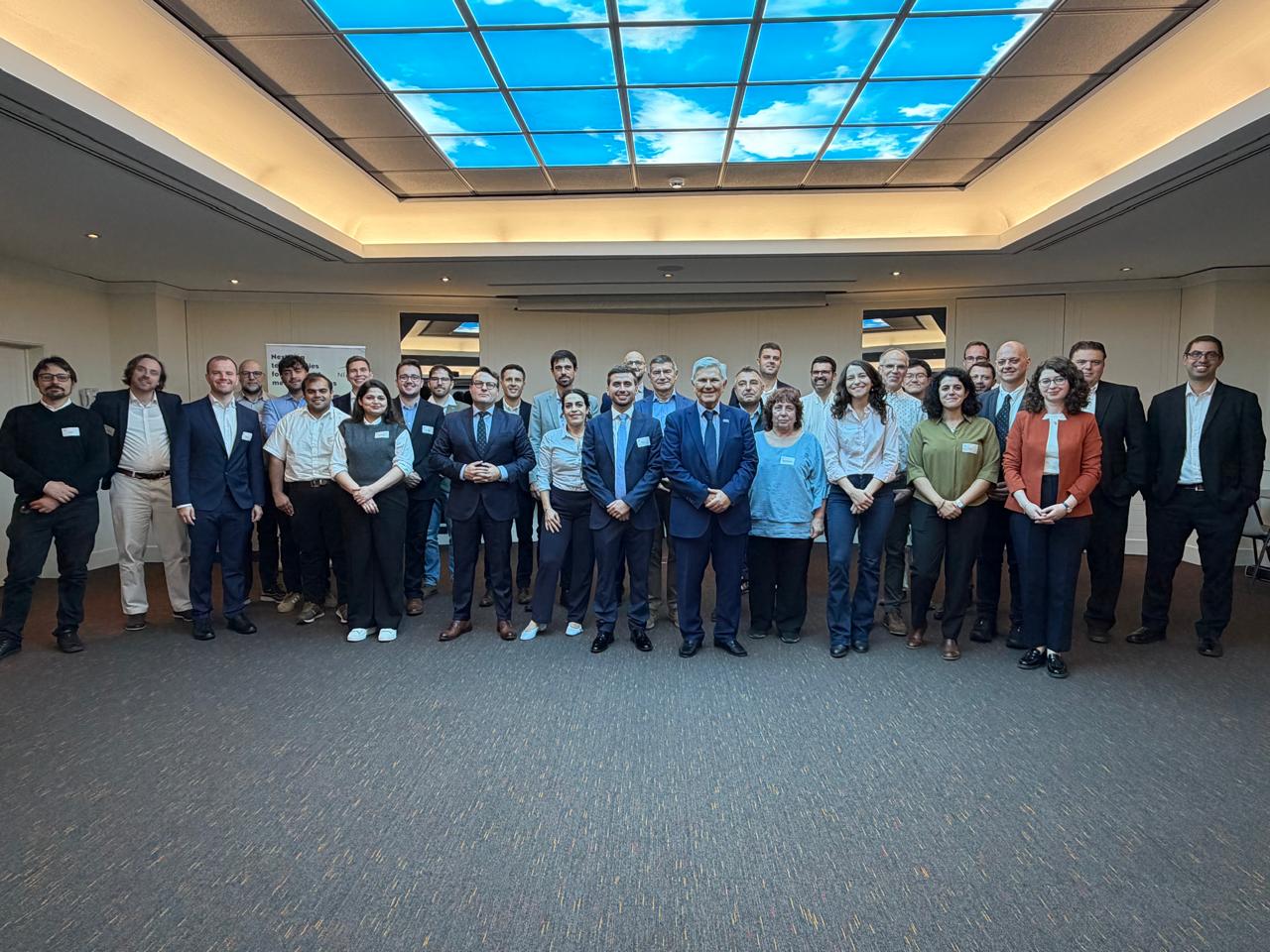
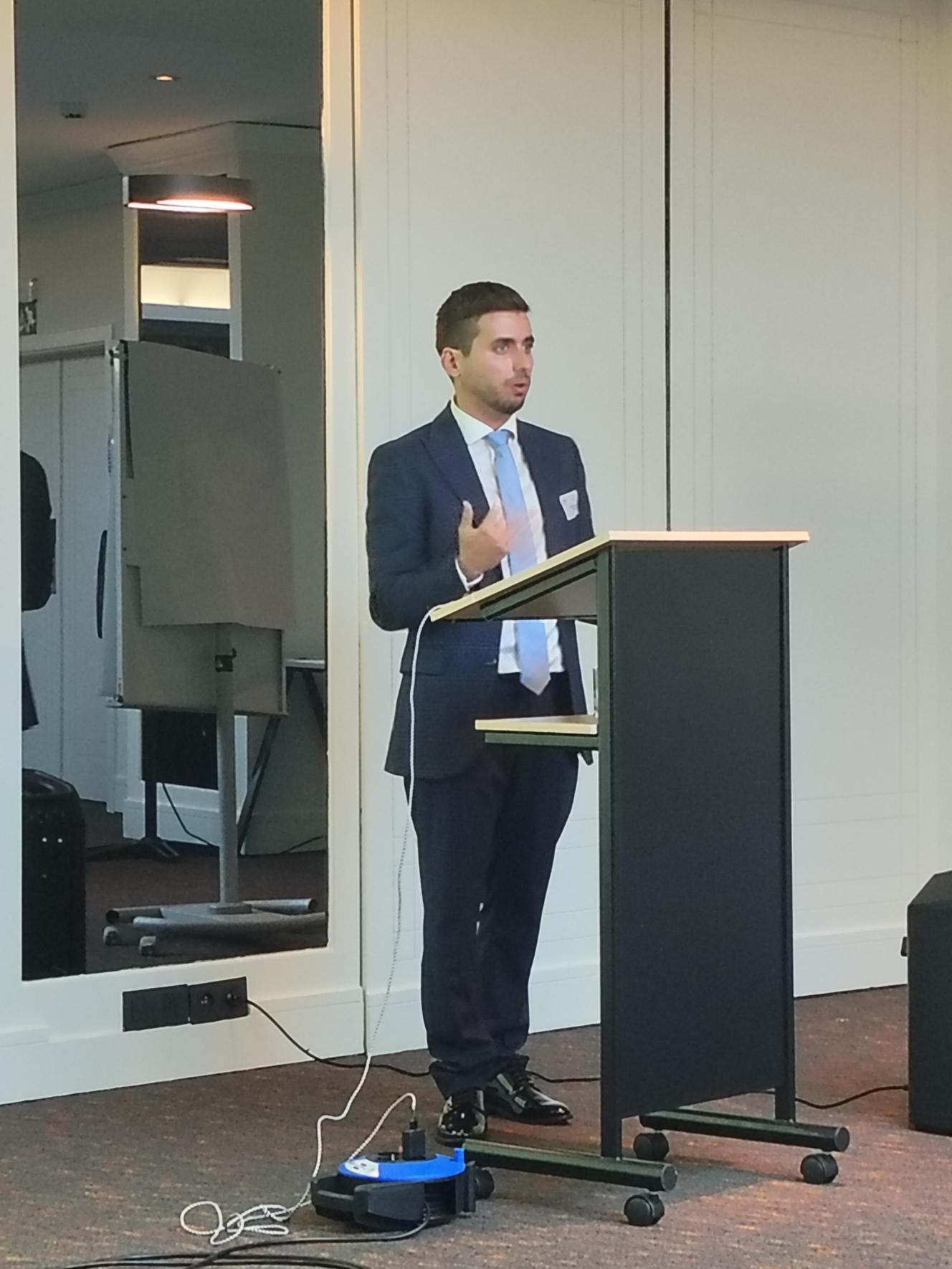
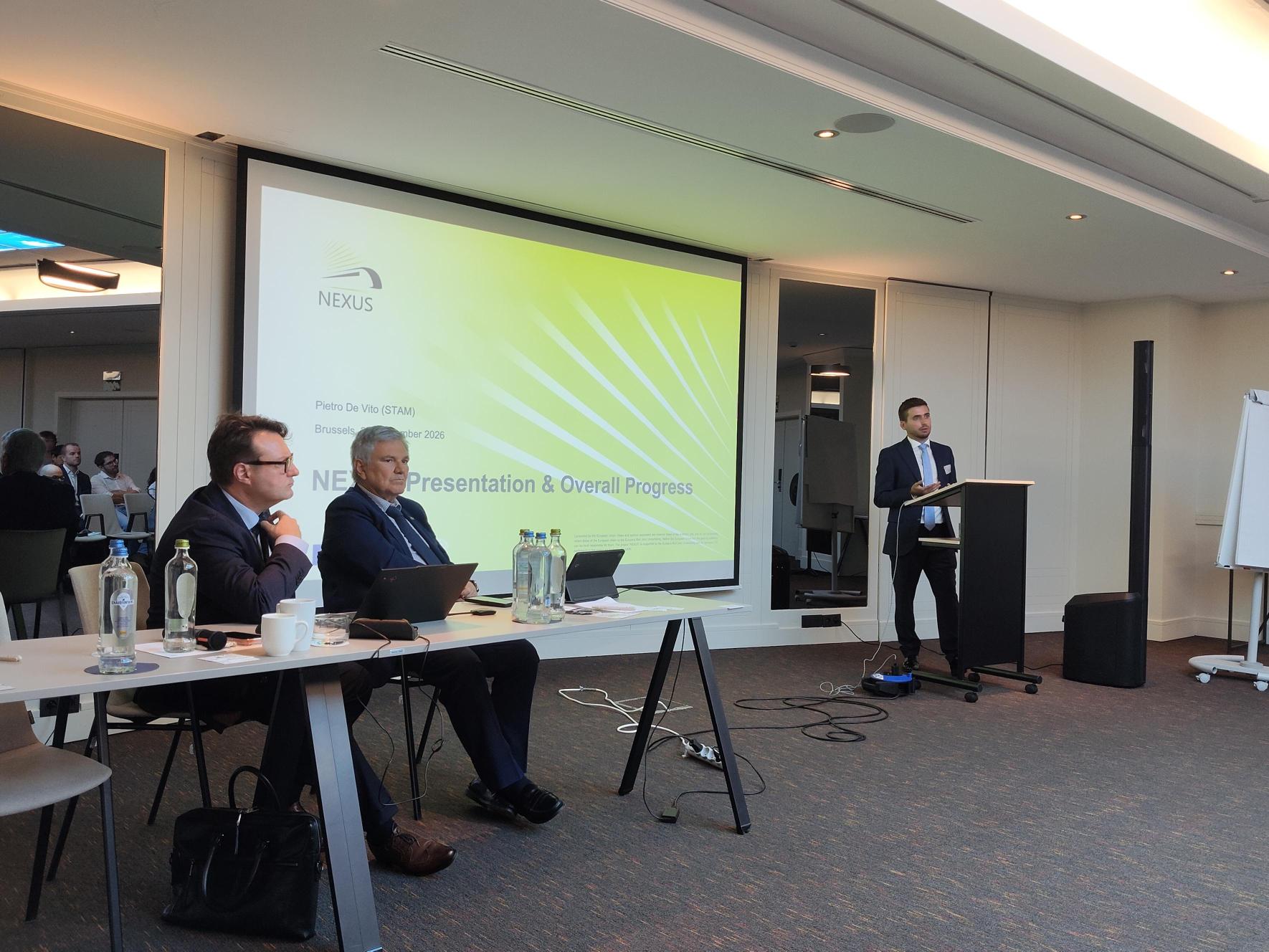
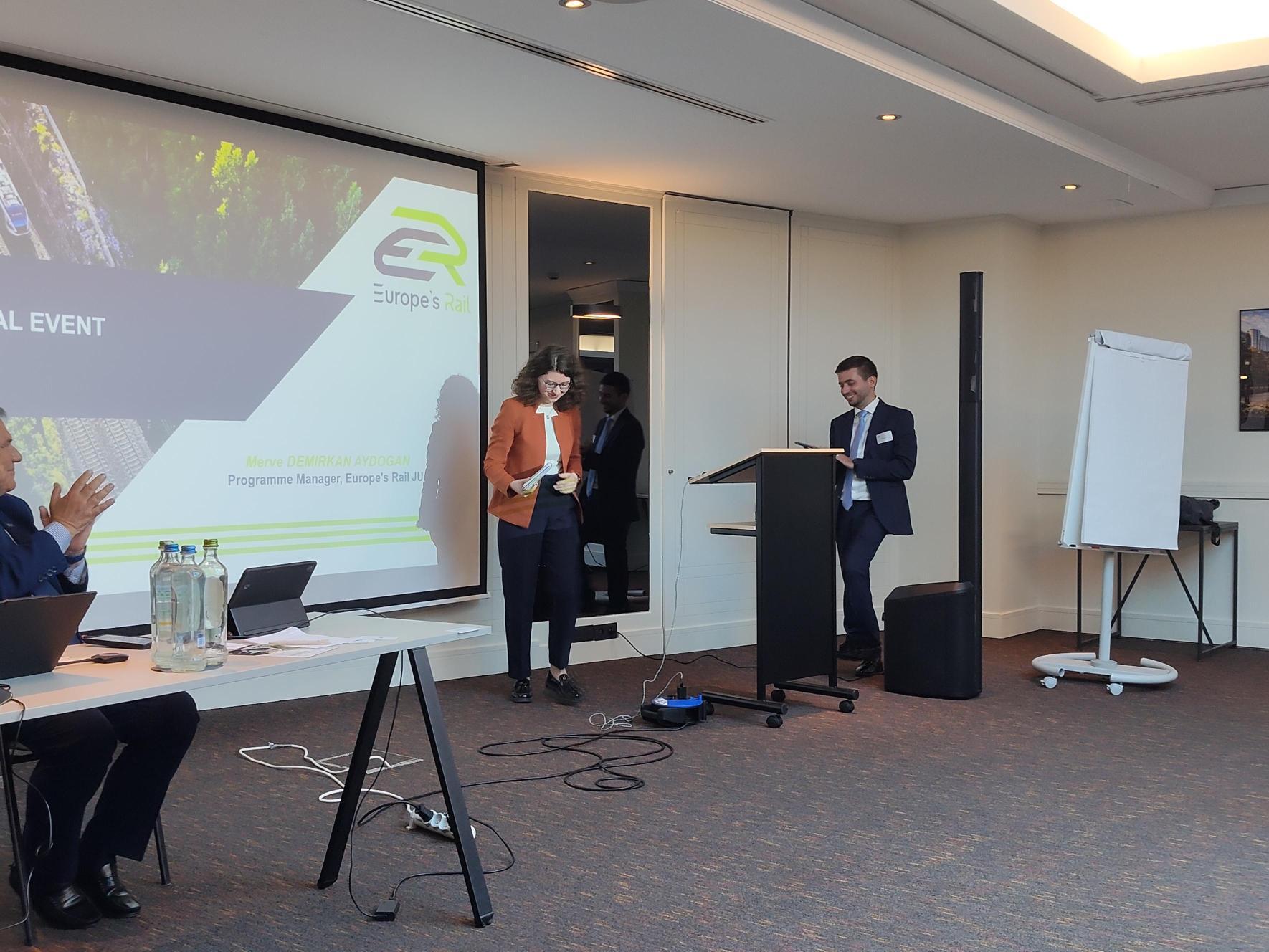
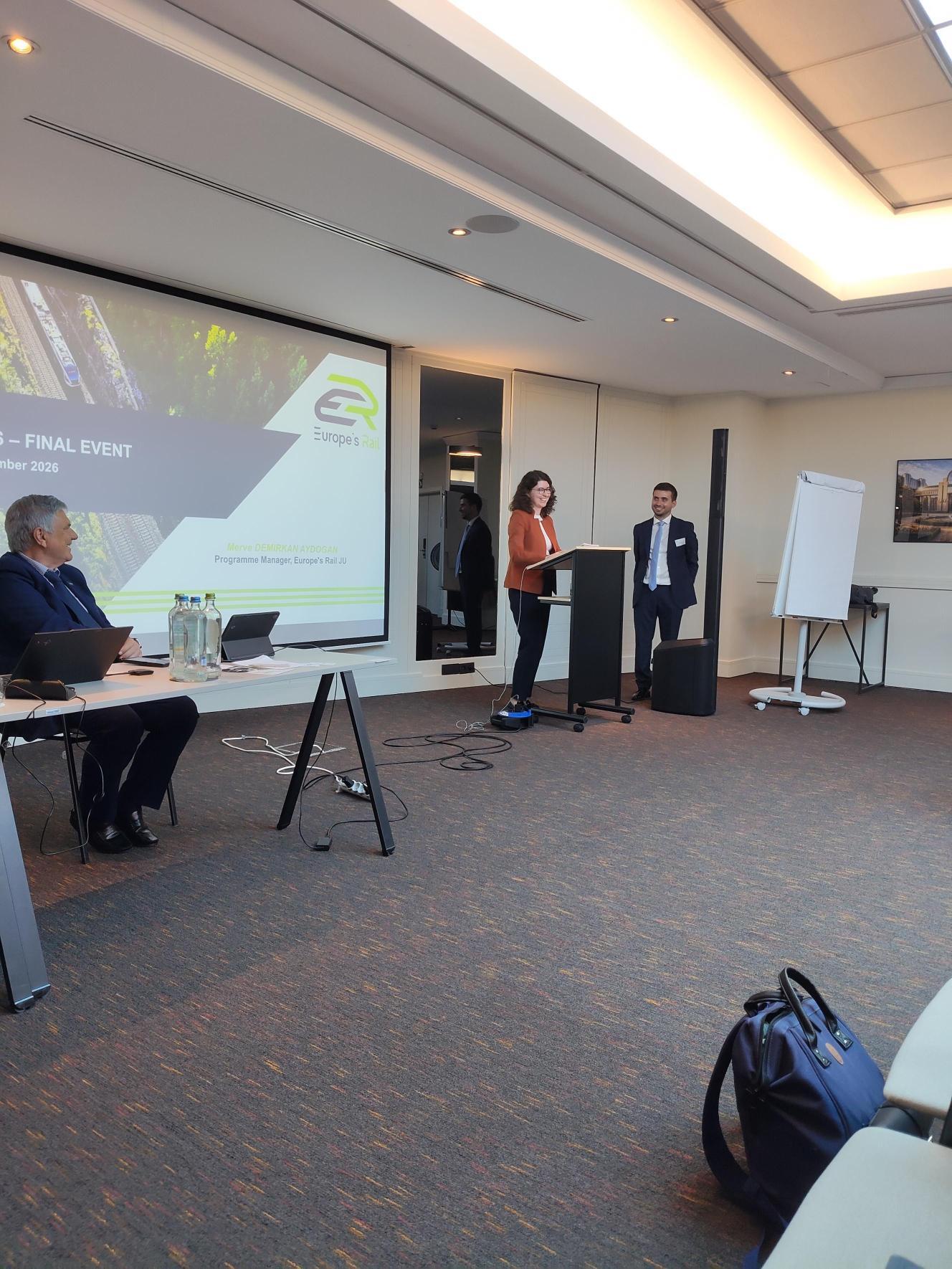
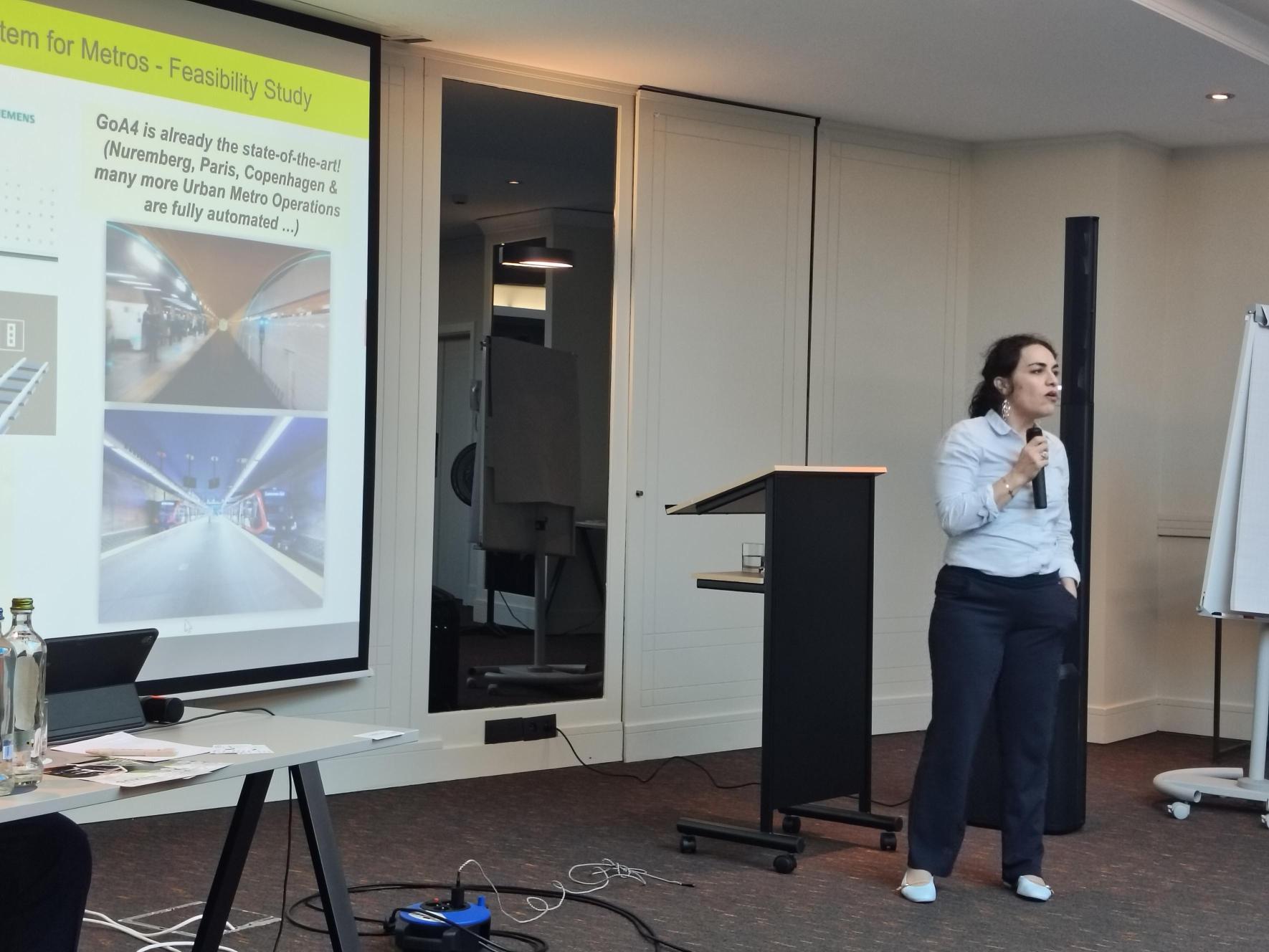
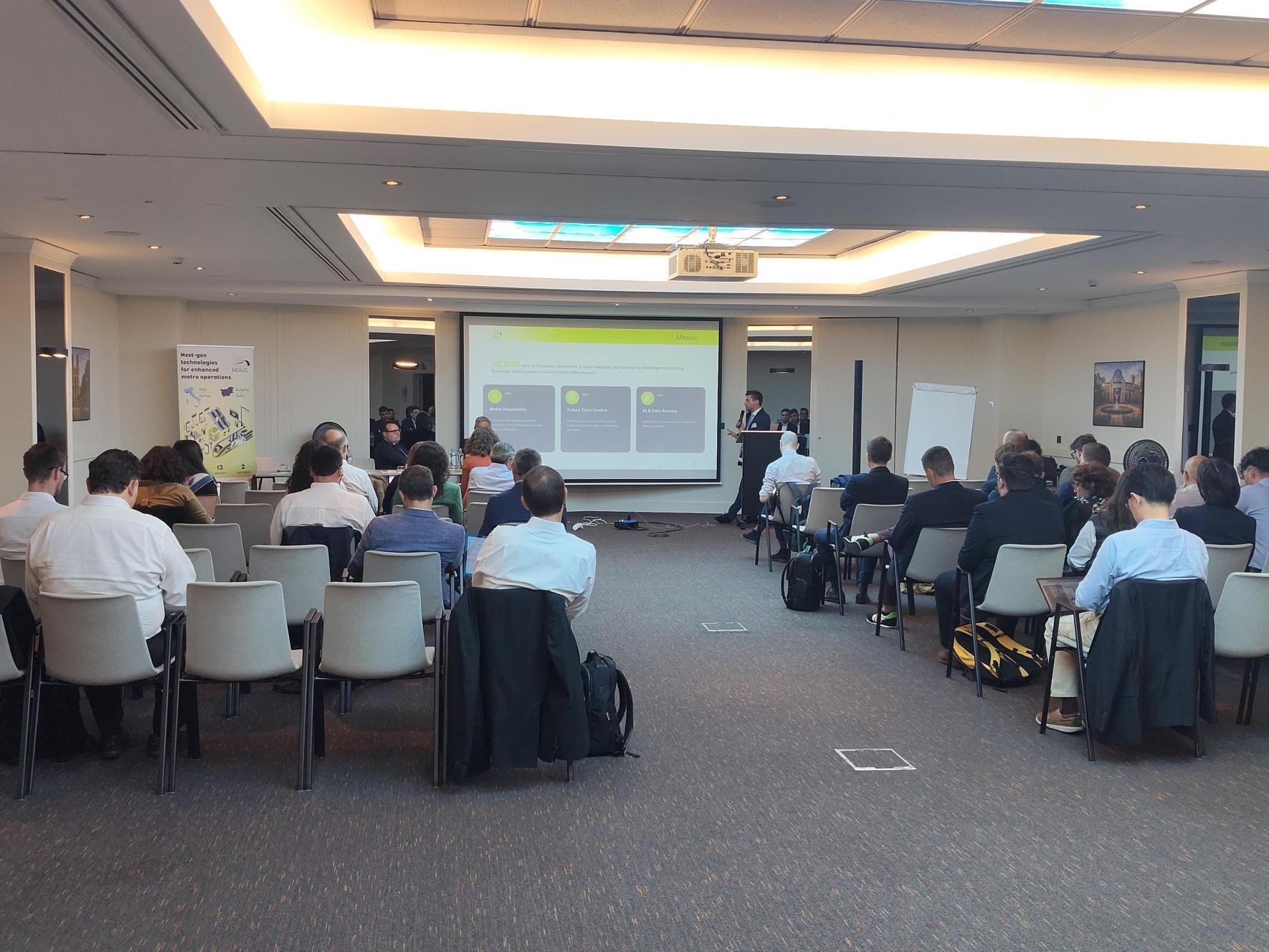
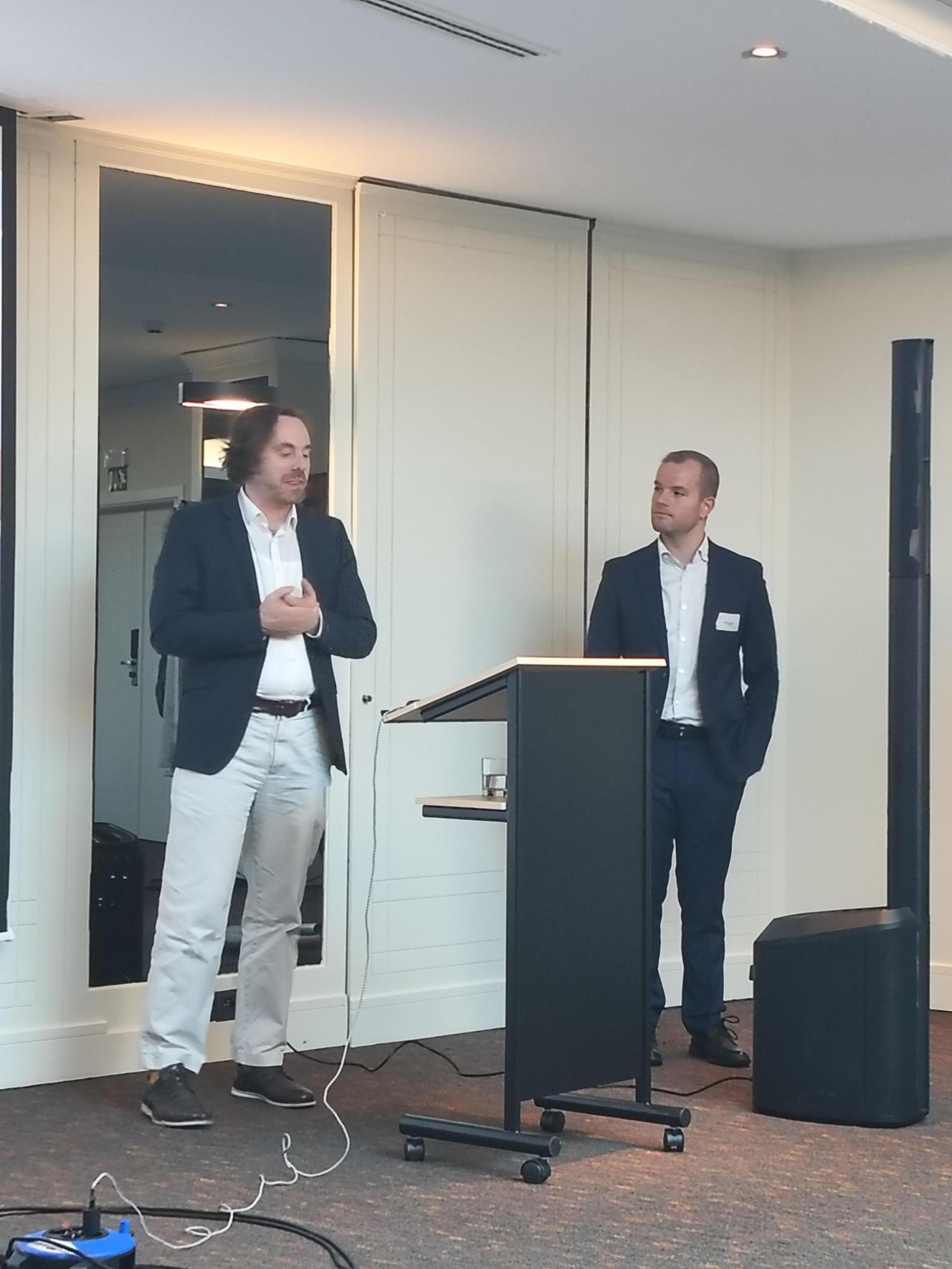
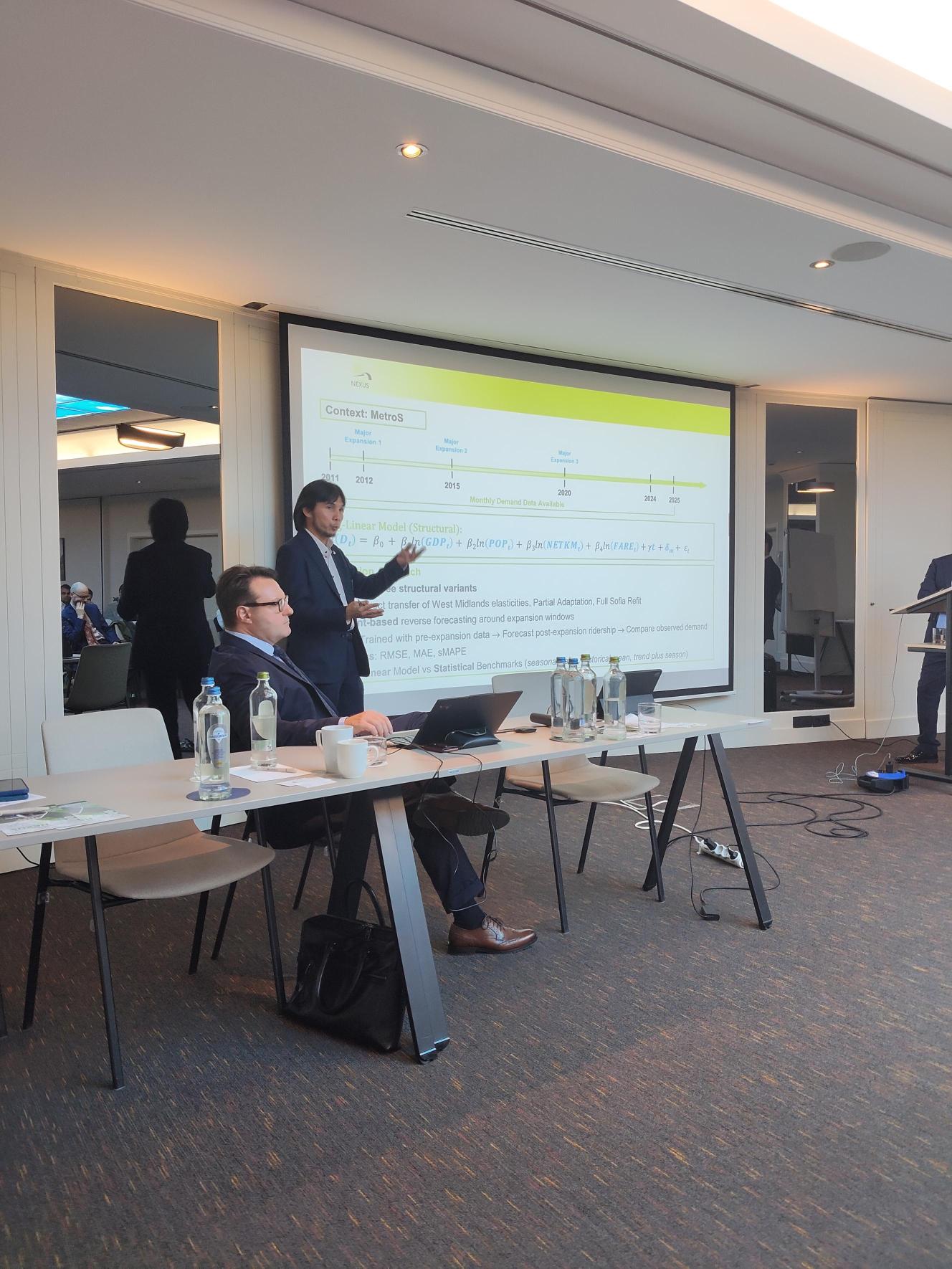
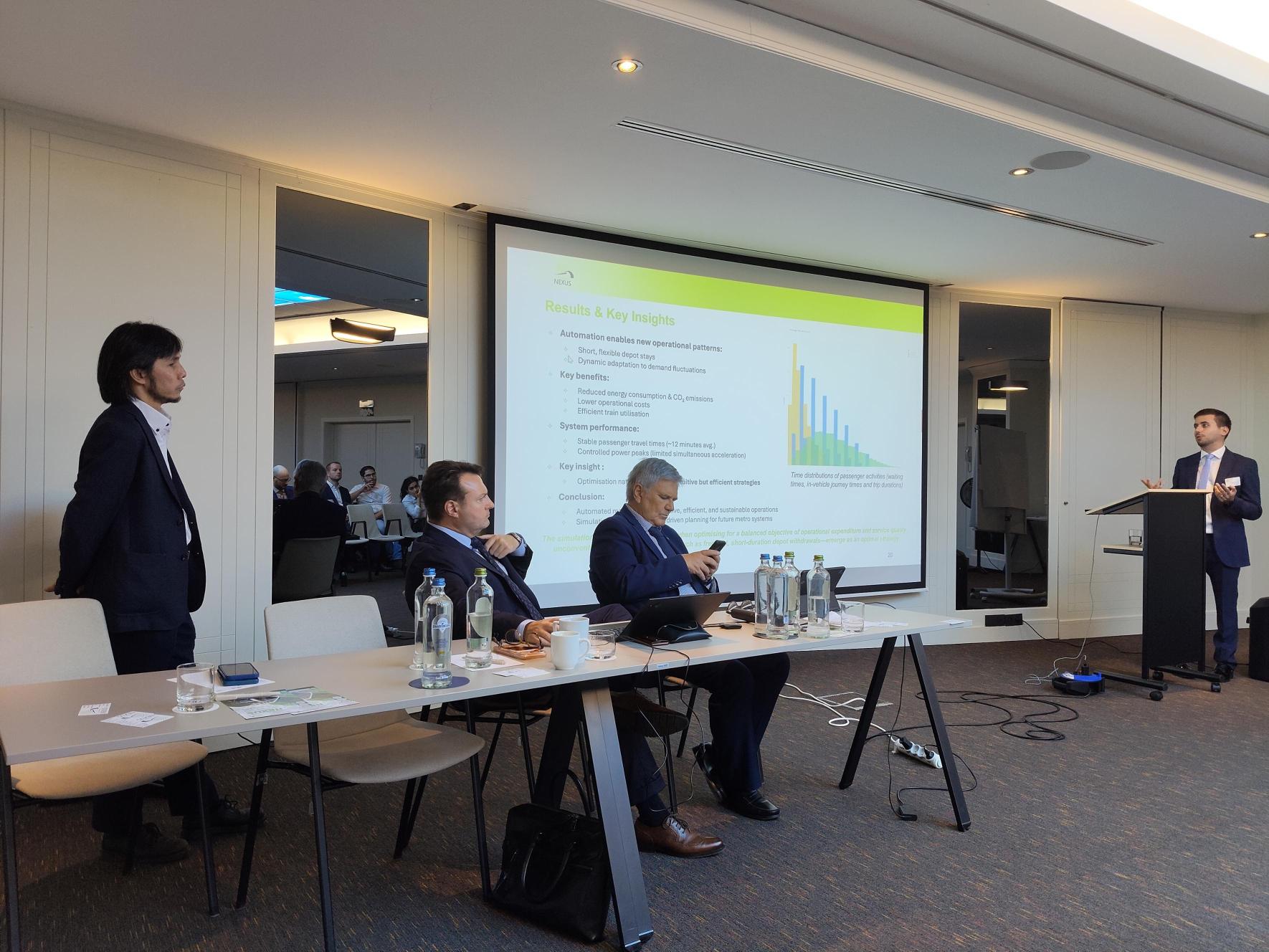
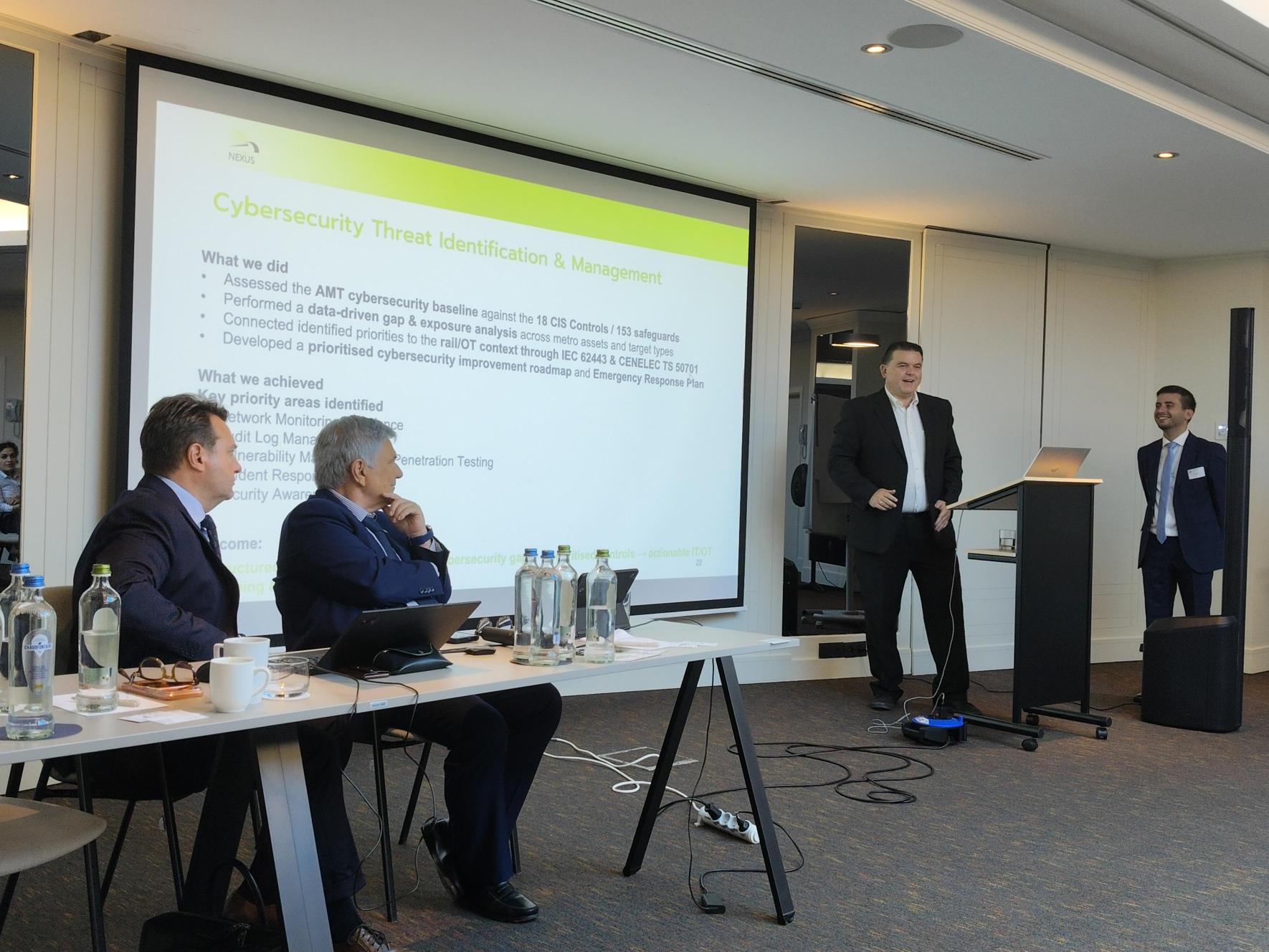
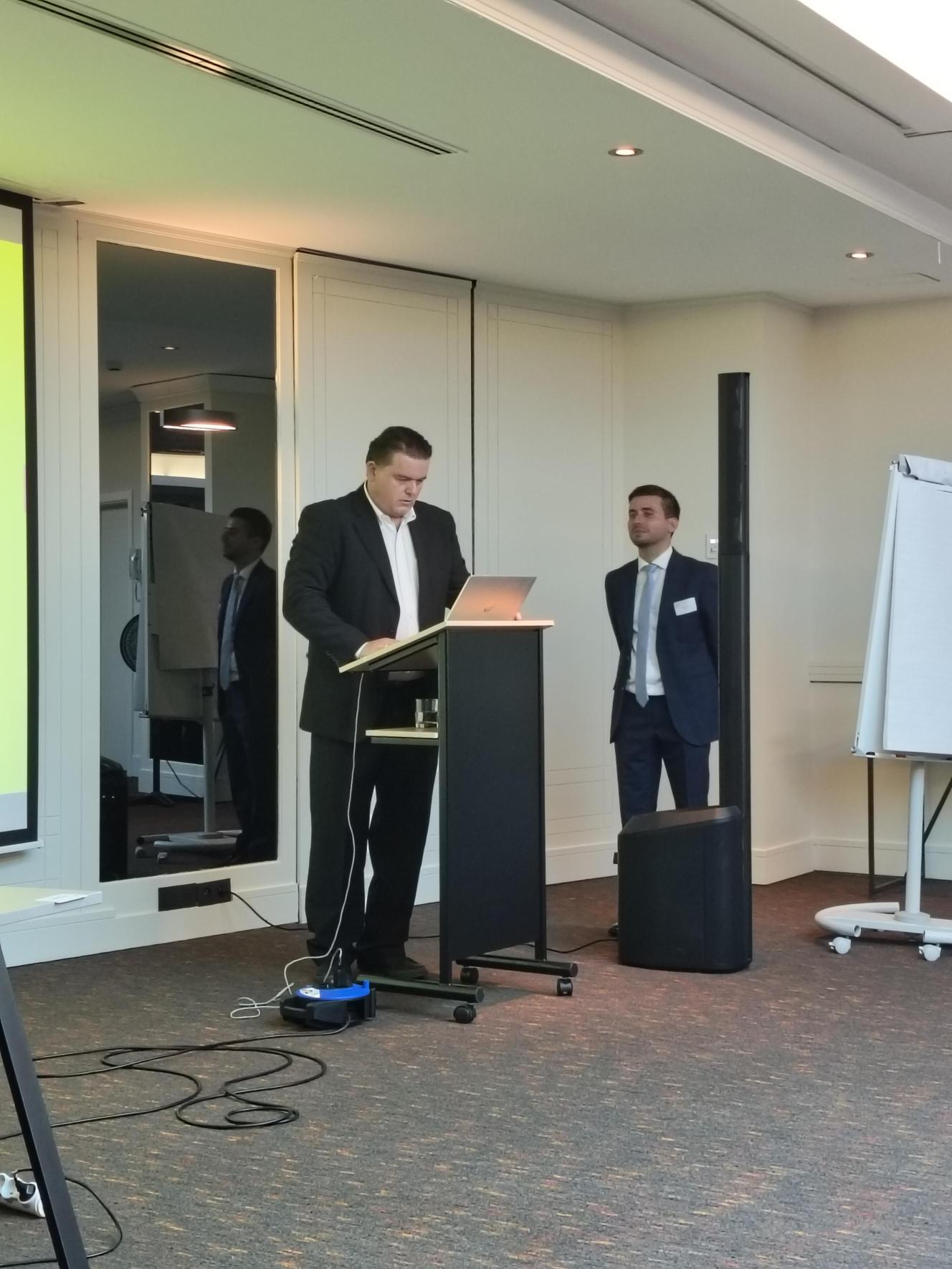
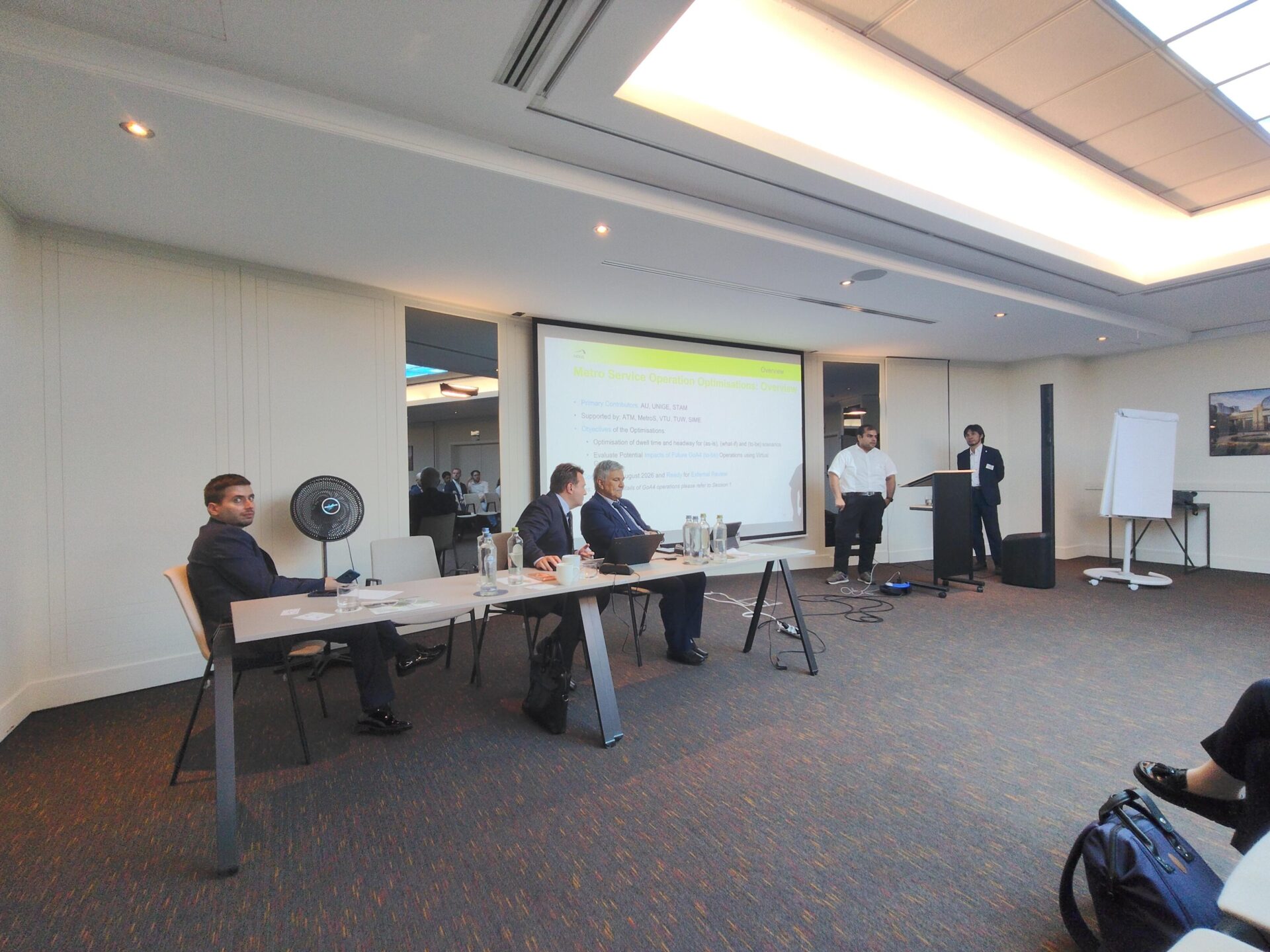
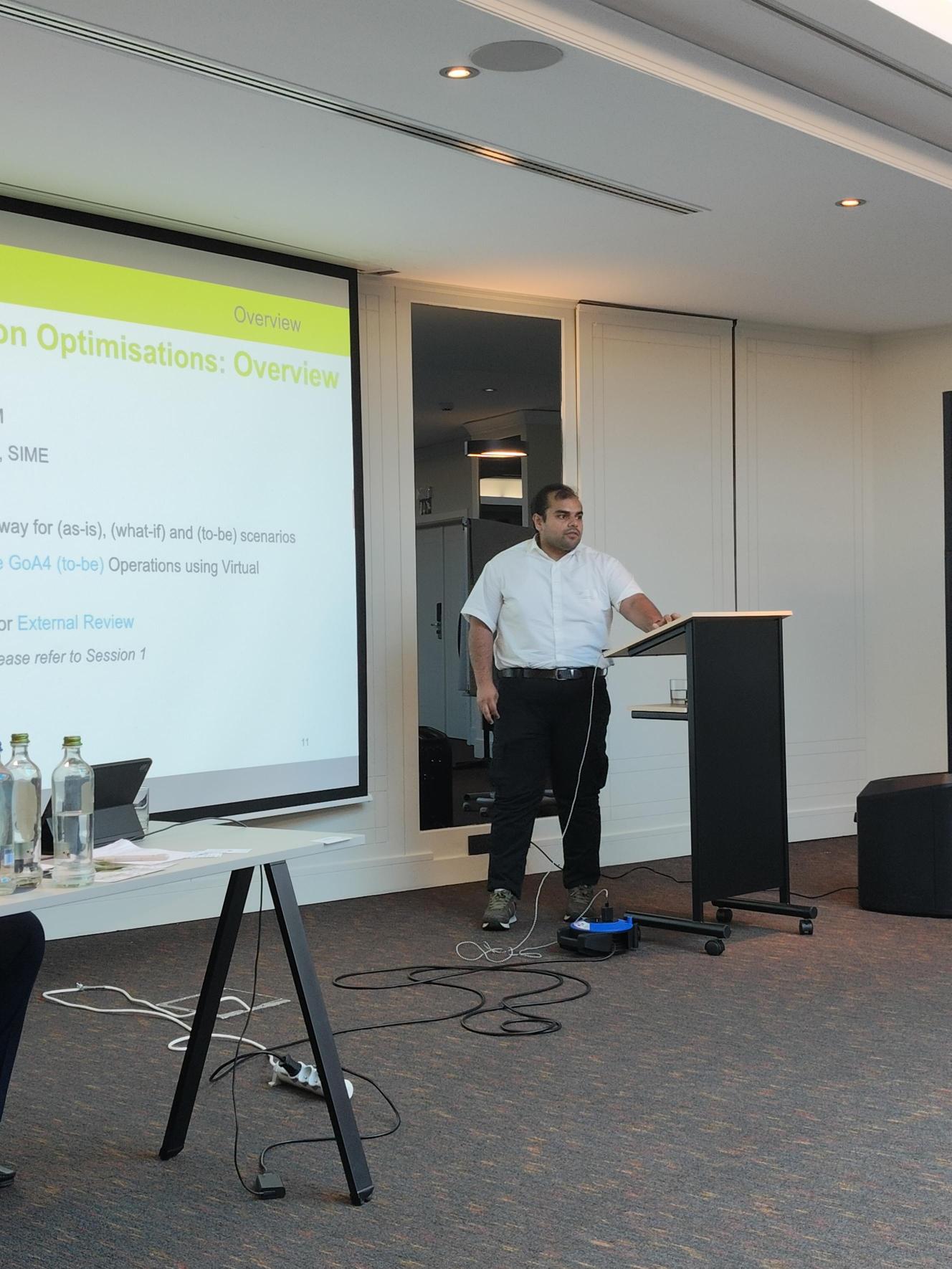
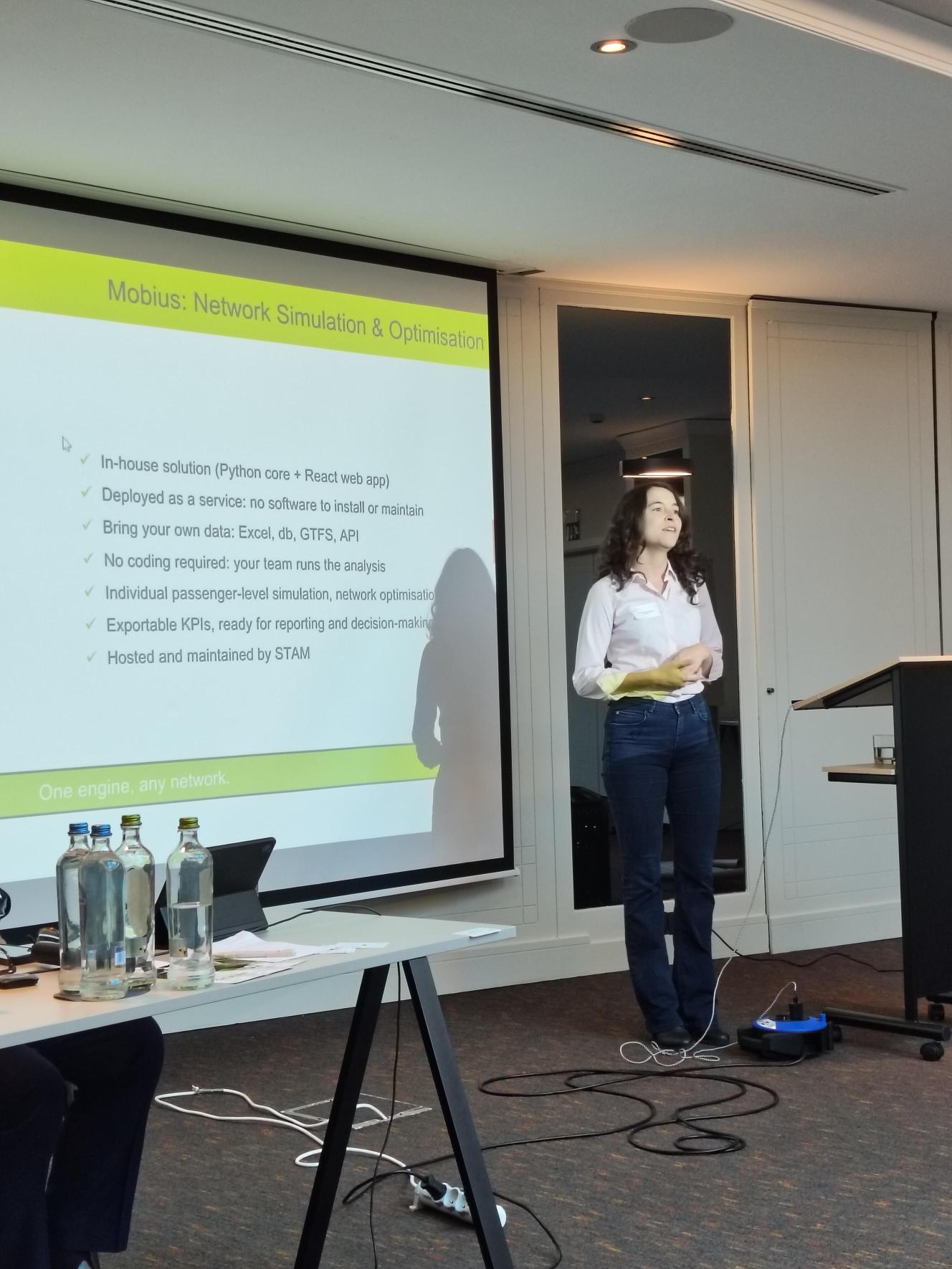
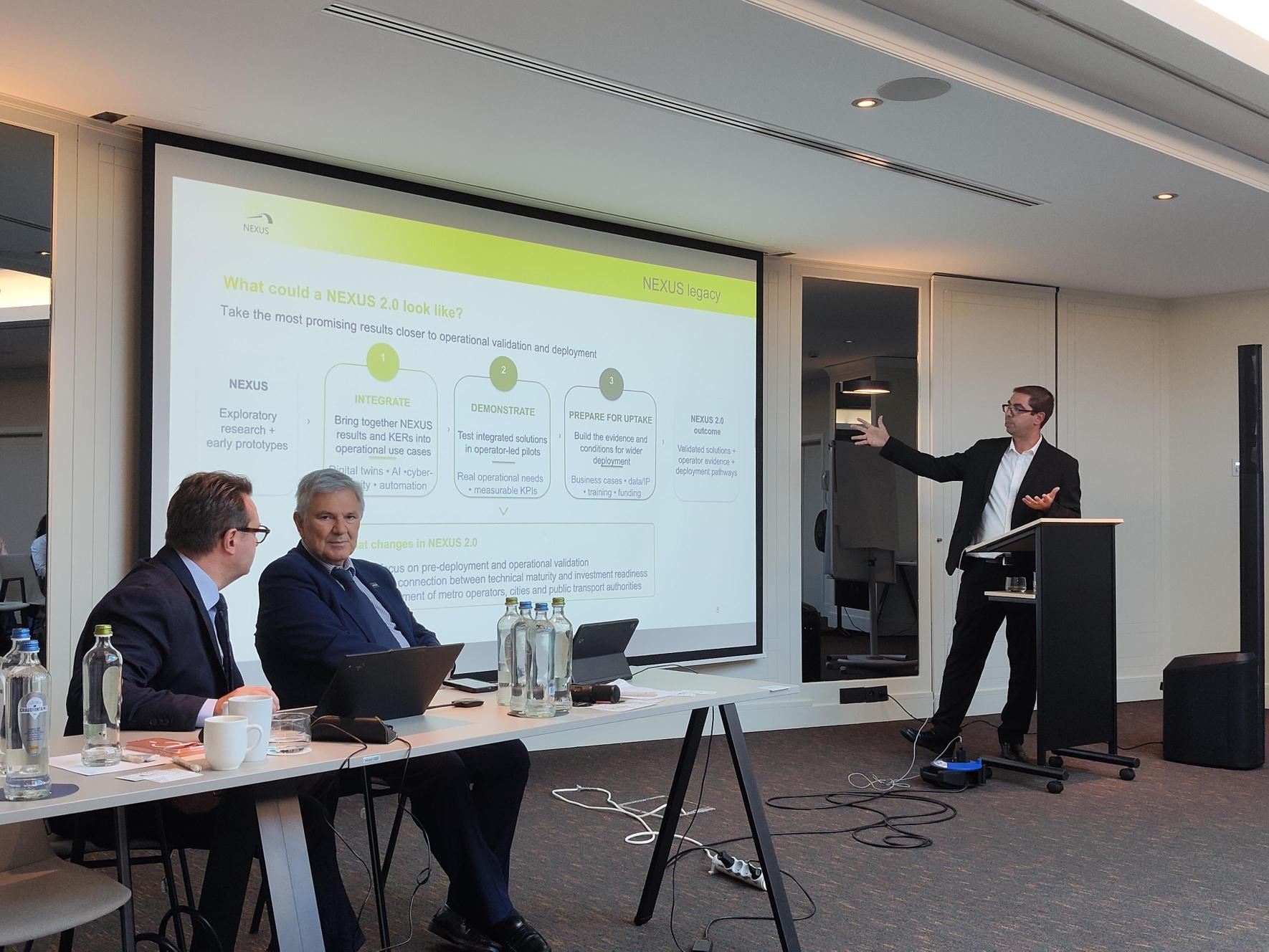
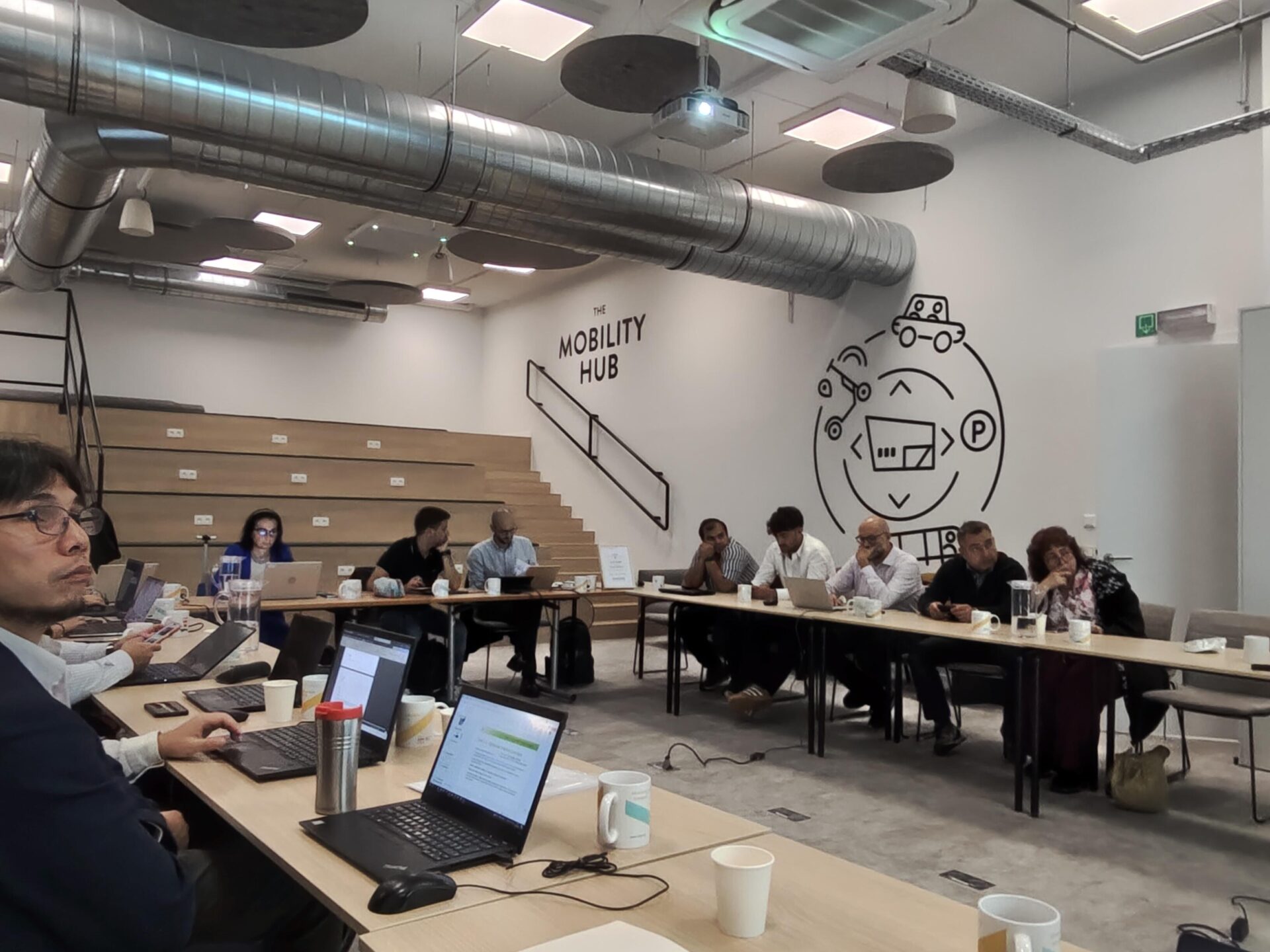
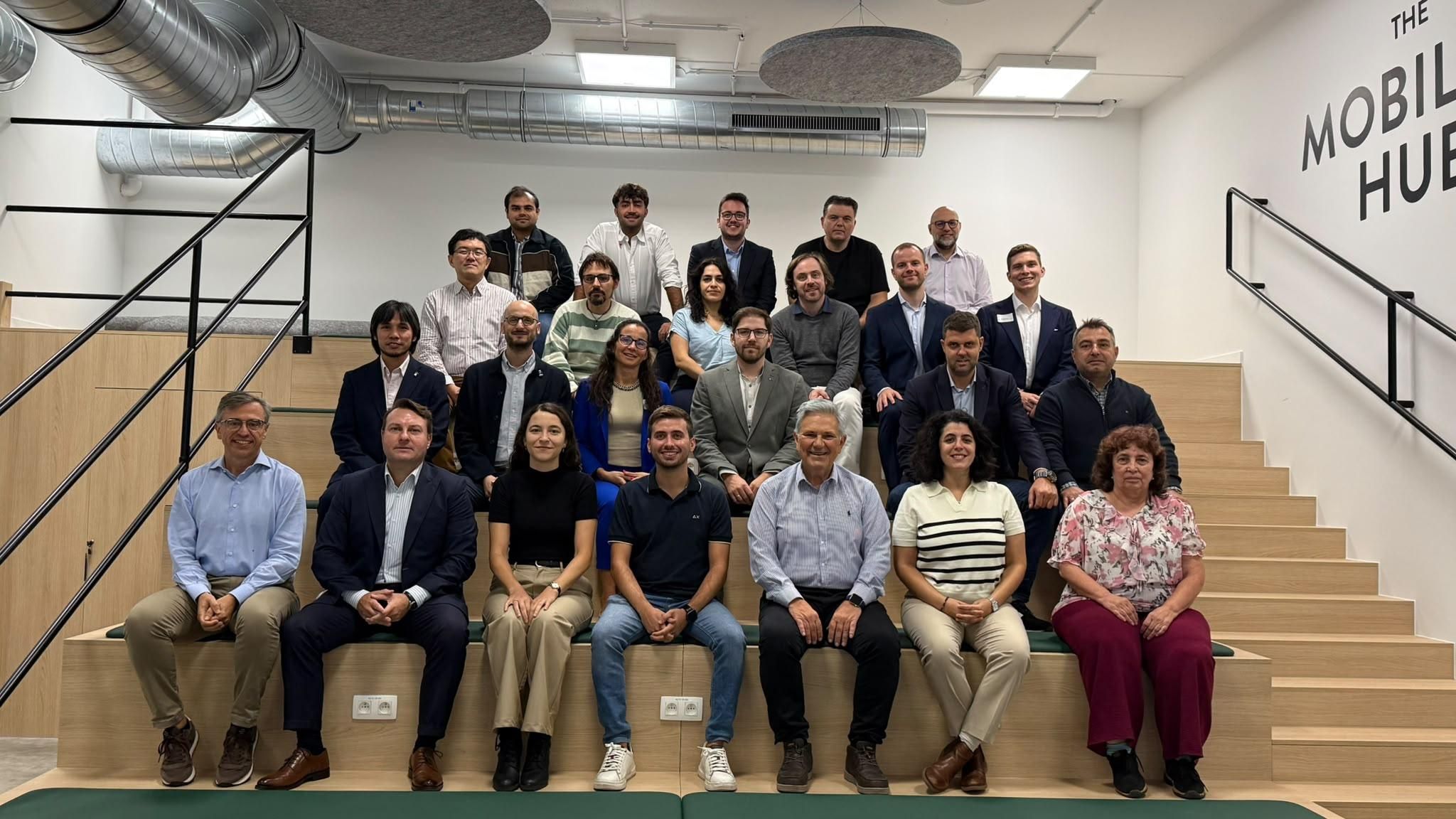
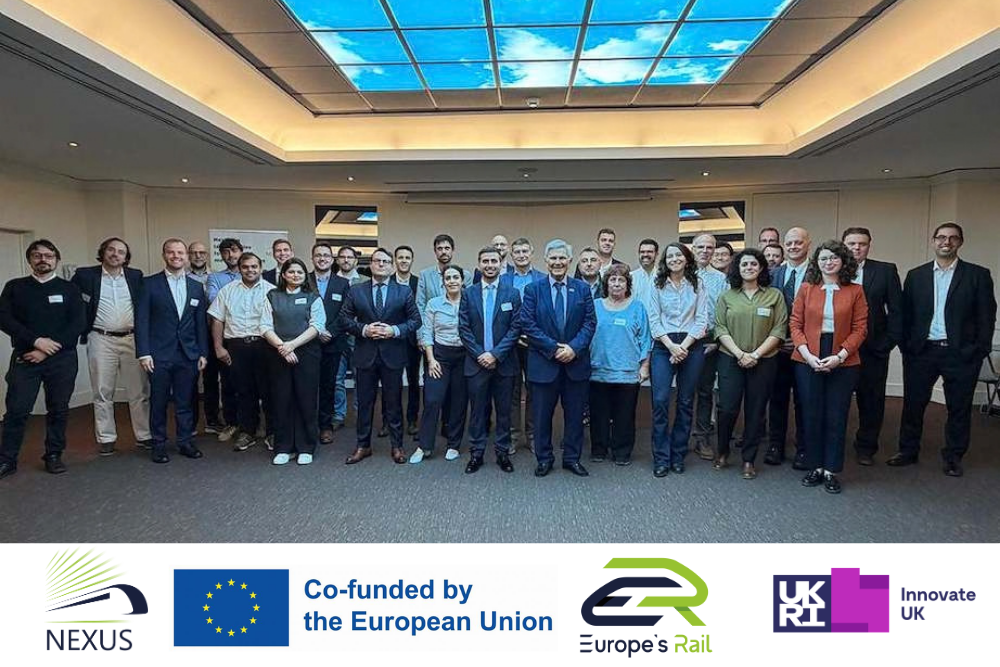
On 28 September 2026, the NEXUS community gathered in Brussels for the project’s Final Event. Consortium partners, the project’s Advisory Board and Project Officer, together with experts and stakeholders from across the rail and metro sector, came together to present the project’s results and discuss what comes next.
The programme covered five key themes:
Future train control and automation
Passenger-centric metro vehicles and platforms
Artificial intelligence and cybersecurity for smarter metro operations
Digital twins for metro planning and operations
Exploitation, impact and the NEXUS legacy
The event provided an opportunity not only to look back at two years of research and collaboration, but also to discuss how the project’s results can continue to develop and move closer to real-world application.
Missed the event? Explore the results
Couldn’t join us in Brussels? You can still explore the NEXUS journey.
Find the presentations from the Final Event and browse the event gallery below.
And if you want to hear directly from the people behind the project, don’t forget to listen to the NEXUS podcast, featuring five conversations with members of the consortium about the project’s activities, goals, results and future perspectives. It might just make the perfect companion for your next metro trip!
The NEXUS project may be coming to an end, but its results are designed to continue supporting the development of smarter, more efficient, passenger-oriented and future-ready metro systems.
- Welcome and Opening – ERTICO, Dr Nikolaos Tsampieris, UITP, RIZZI Giuseppe
- EU-Rail’s Vision and Outlook – EU-Rail JU Project Officer, Merve DEMIRKAN AYDOGAN
- NEXUS Overall presentation – STAM, Pitro De Vitto
- Session 1: Future Train Control and Automation – SIEMENS, Sara Soltani,
- Session 2: Designing Passenger-Centric Metro Vehicles and Platforms – TUW, SIEMENS
- Markus Haferl
- Session 3: Artificial Intelligence & Cyber security for Smarter Metro Operations – VIF, Nikos Avgerinos
- Session 4: Digital Twins for Metro Planning and Operations – AU, UNIGE, STAM Francis Tong, Summair Annis and Lissa de Souza Campos
- Session 5: From Research to Deployment – Exploitation, Impact and Legacy – TIS, André Freitas, Inês Pinho
- Closing remarks and acknowledgements – STAM, EU-RAIL
Explore the gallery from our Final event and Final General Assembly